Tamang Heritage Trek
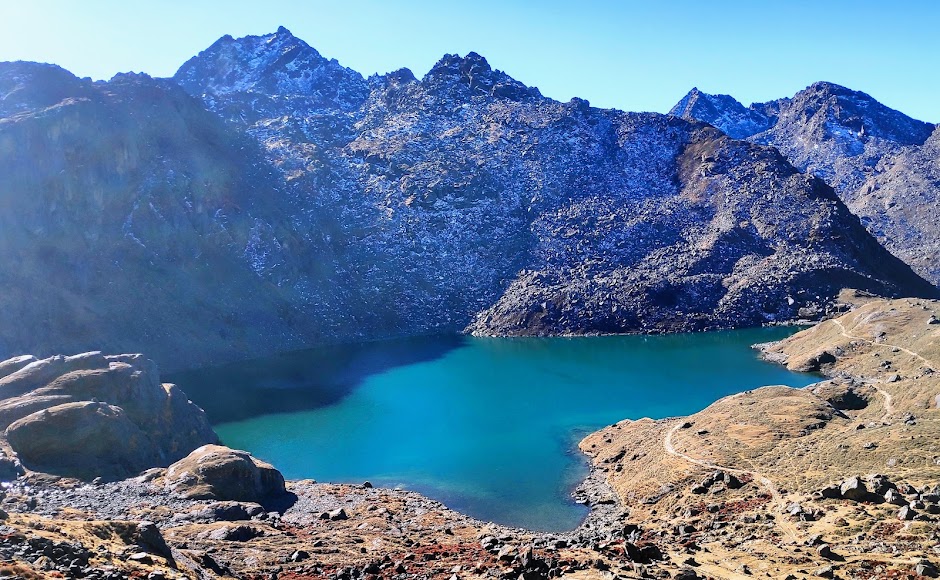
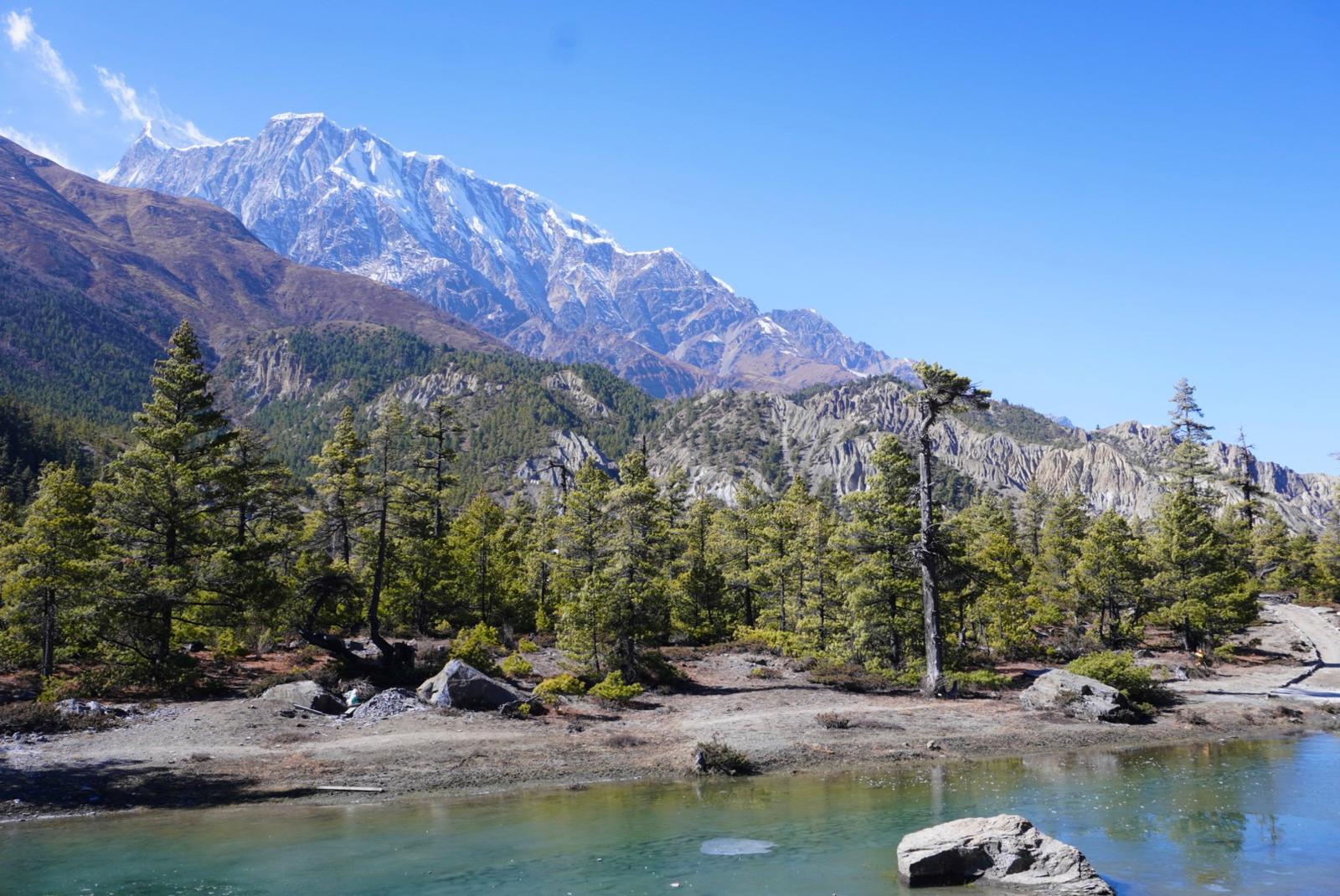
The Tamang Heritage Trek offers a deep cultural experience, highlighting the traditional Tamang villages, spectacular mountain panoramas, and the welcoming hospitality of the local communities set against the stunning Himalayan backdrop.
Region
Duration
Grade
Transportation
Activity Per Day
Max Altitude
Best Season
Highlights of the Tamang Heritage Trek:
- Relax in the natural hot spring at Tatopani.
- Stunning views of glaciers and mountain ranges, from Langtang to Lirung.
- Visit Langsia Kharka for breathtaking scenery.
- Immerse in the unique culture, traditions, customs, and lifestyle of the Tamang people.
- Explore the picturesque Langtang Valley.
Overview of Tamang Heritage Trek
The Tamang Heritage Trek offers a captivating cultural and natural experience in Nepal. While the trail has been in operation for over three decades, it remains relatively uncrowded compared to other trekking routes in Nepal. Historically, the Tamang Heritage Trail was a salt trade route connecting Tibet and Nepal. It offers breathtaking views of snow-capped mountains, picturesque landscapes, and the opportunity to immerse in the traditions of the Tamang community.
The locals are predominantly engaged in agriculture and handicrafts, with vibrant markets offering a variety of handcrafted goods, reflecting the rich ethnic culture of the Tamang people. This trek is a perfect blend of culture, tradition, and nature, showcasing the essence of Nepal in a peaceful, well-organized journey.
Journey Route of The Tamang Heritage Trek
The trek takes you through lush green forests, past stunning waterfalls, diverse flora and fauna, and suspension bridges. Along the way, you’ll enjoy conversations with farmers working in the fields. Starting with an enriching sightseeing tour of Kathmandu Valley, the trek introduces you to the fine arts, architecture, and culture of the capital. The Tamang Heritage Trail offers the ideal chance to delve into the indigenous Tamang culture while surrounded by the natural beauty of Nepal.
Outline Itinerary (14 Days)Expand All +
1
Day 1 : Arrival in Kathmandu
Upon arrival at Tribhuwan International Airport, you will be greeted and transferred to your hotel to rest after your flight. In the evening, you’ll have an orientation meeting at 5 pm, followed by a delicious authentic Nepali dinner at the hotel’s restaurant with the guide.
Kathmandu (1400 M)
30 Min Drive
Hotel
Dinner
2
Day 2 : Drive from Kathmandu to Syabru besi
The drive from Kathmandu to Syabrubesi is filled with panoramic views, passing through villages, lush landscapes, and Himalayan-style houses. The road may be bumpy at times, but the views of Annapurna, Manaslu, Ganesh Himal, and Langtang peaks make it worthwhile. The journey follows the Trishuli River, with Syabrubesi as your destination.
Syabru besi (2,380 m)
Drive (7-8 hrs)
Guest House
Breakfast, Lunch & Dinner
3
Day 3 : Syabru besi trek to Gatlang
Today, Trek to Gatlang, a village rich in history. Visit the ancient Tamang Monastery and the mythical Parvati Kunda Lake. It’s believed the lake holds divine powers of fertility. Explore the scenic beauty and culture of the village.
Gatlang (2,238 m)
5 hrs
Guest House
Breakfast, Lunch & Dinner
4
Day 4 : Gatlang trek to Tatopani
Trek to Tatopani, which is famous for its natural hot springs known for their healing properties. Take a relaxing dip in the hot spring and enjoy the rejuvenating experience.
Tatopani (2,607 m)
5-6 hrs
Guest House
Breakfast,lunch,dinner
5
Day 5 : Tatopani trek to Thuman
Trek to Thuman, a village adorned with intricate carvings on windows and doors. The route passes through a prayer wheel, offering a peaceful atmosphere. Visit the local monastery and experience the serenity of the area.
Thuman (2,300 m)
5-6 hrs
Guest House
Breakfast,lunch,dinner
6
Day 6 : Thuman trek to Briddhim
The trek from Thuman to Briddhim takes you through Lingling, where you can enjoy stunning views, chortens, and prayer flags. The path is steep, but you will be rewarded with breathtaking vistas as you ascend.
Briddhim (2,229 m)
6 hrs
Guest House
Breakfast,lunch,dinner
7
Day 7 : Briddim trek to Lama hotel
After breakfast, trek through the lush forest and cross Chopche Khola. Continue to Rimche and later descend into the tranquil Langtang Valley, reaching Lama Hotel for an overnight stay.
Lamahotel (2,420 m)
6 hrs
Guest House
Breakfast, Lunch, and dinner
8
Day 8 : Lamahotel trek to Langtang (6hrs)-3307m
Today’s trek takes you through subtropical forests, revealing stunning views of Langtang Lirung. The vegetation thins as you gain altitude, and Buddhist shrines and chortens appear along the way.
Langtang (3,307 m)
5-6 hrs
Guest House
Breakfast, Lunch, and dinner
9
Day 9 : Langtang trek to Kanjin Gompa (4 hrs) 3830m
Trek to Kyanjin Gompa, the largest monastery in the Langtang Valley. The monastery, though modest in size, is rich in Buddhist art and history. Enjoy the tranquil setting surrounded by the majestic Himalayas.
Kanjin Gompa (3,830 m)
5-6 hrs
Guest House
Breakfast,lunch,dinner
10
Day 10 : Kanjin rest day
Today is a rest day in Kyanjin. You can choose to hike to Langsisa Kharka or the Langtang Glacier for incredible views of Langtang Lirung. Alternatively, you may hike to Tsherko Ri (5,000 m) for panoramic mountain views.
Kanjin Gompa (3,830 m)
5-6 hrs
Guest House
Breakfast, Lunch & Dinner
11
Day 11 : Kanjin trek to Lama hotel (6 hours)
The trail today is mostly downhill. It takes around 2 hours to descend to Langtang, followed by another 2 hours to Ghoretabela. A few uphill and downhill sections later, you will arrive at Lama Hotel for an overnight stay.
Lama hotel (2,420 m)
5-6 hrs
Guest House
Breakfast, Lunch & Dinner
12
Day 12 : Lama hotel trek to Thulo syabru
After breakfast, trek from Lama Hotel to Thulo Syabru. Along the way, you will pass through Pahiro and Bamboo settlements. Thulo Syabru is a charming Tamang village that holds cultural significance in the Langtang region.
Thulo Syabru (2,250 m)
5-6 hrs
Guest House
Breakfast, Lunch & Dinner
13
Day 13: Thulo Syabru Trek to Dhunche
Today, after breakfast, trek from Thulo Syabru to Dhunche. The trail offers breathtaking views as you walk through the diverse landscapes of the region.
Dhunche (2,030 m)
5 hrs
Hotel
Breakfast, Lunch & Dinner
14
Day 14 : Drive back to Kathmandu
After an early breakfast, drive back to Kathmandu from Dhunche. The 7-hour scenic drive offers beautiful views of the landscapes. Once you arrive in Kathmandu, enjoy a relaxing evening at your hotel.
Kathmandu (1,400 m)
Drive (6-7 hrs)
Guest House
Breakfast, Lunch & Dinner
Include / Exclude
Additional Information
Tamang Heritage Trek Grade:
This trek is considered strenuous, requiring you to walk 5-6 hours per day with a light day pack. While trekking at higher altitudes can be physically demanding, the pace is manageable and adjusted for comfort. The trek is suitable for those in good health and average physical fitness, with strong determination. It is recommended to exercise, particularly jogging and climbing stairs, for a few weeks before the trek to build strength and endurance. Past hiking experience is helpful but not necessary, as no technical skills are required.
Best Season for Tamang Heritage Trek:
- Best months: September to November and March to May, offering moderate temperatures and clear, sunny days for mountain views and trekking.
- Off-season: December to February (winter), offering fewer crowds but colder weather, with frost and snow. Trekking is possible but requires preparation for cold conditions.
- Rainy season: June to August, trekking during this time is possible but expect rainfall and wet conditions, making some paths slippery.
Tamang Heritage Trek Permit:
- TIMS (Trekker’s Information Management System): US $20 per person for each trek.
- Langtang National Park Entry Permit: US $30 per person. Both permits can be purchased in Kathmandu (Nepal Tourism Board).
Tamang Heritage Trek Altitude:
- Maximum altitude: Langtang Valley at 5033m, providing stunning views of Langtang and Gosainkunda Helambu.
- Starting altitude: Syabrubesi at 1550m, with gradual ascent along the trail.
Food and Accommodation:
- Tea-house trek: Accommodation will be in clean, simple tea houses that offer local food and basic amenities.
- Lodging: Rooms are typically twin-sharing, and some may not have attached bathrooms (common facilities may be shared).
- Food: You can expect local foods such as dal bhat (lentil soup with rice) and other vegetarian dishes, with meat available only up to Syabrubesi.
- Wi-Fi & Connectivity: Available in lower altitudes (around USD 2 per hour). Mobile SIM cards (NTC or NCell) are available in Kathmandu, and you can get mobile data for around USD 1-2. Charging devices cost around USD 2-5 per hour.
Packing List for Tamang Heritage Trek:
- Clothing: Jackets, gloves, hiking pants, warm hat, and trekking boots.
- First-aid: Diamox (for altitude sickness), band-aids, anti-nausea medications, and insect repellents.
- Hydration: Water bottles, filter, and purification tablets.
- Trekking Gear: Daypack, trekking poles, sleeping bag (provided), energy bars, camera, and toiletries.
- Electronics: Power bank, headlamp, and extra batteries.
- Documents: Passport, trekking permits, and trip itinerary.
Luggage Limit Per Person:
- One porter will carry 12-15 kg of your luggage for every two people. Your daypack should hold essentials like a camera, wallet, and water bottle.
Insurance:
- Travel insurance is recommended, covering all activities, including helicopter rescue and medical expenses.
- Make sure your policy covers helicopter evacuation and doesn’t exclude mountaineering activities.
Drinking Water:
- Bottled water is available but avoid purchasing it to reduce environmental impact.
- Water from taps and guesthouses should be purified using sterilization methods (filters or purification tablets).
Extra Expenses:
- Lunch and dinner (except the welcome dinner) are not included. Expect to spend around $20 per day on food during the trek.
- Charges for Wi-Fi, hot showers, and device charging are extra.
Travel and Transportation:
- By land: Travel between cities will be in private vehicles, with long-distance journeys via luxury tourist buses. On some occasions, public buses may be used.
Guides and Porters:
- The guide and porters are experienced and licensed by the relevant authorities. One porter will carry the luggage for every two trekkers, and the team ensures their safety.
Other Services:
- Welcome and farewell dinners, yoga classes, and spa services are included.
- Additional services like customized itineraries, tours, and other activities in Nepal are available upon request.
Feedback:
- At the end of the trek, feedback is appreciated to improve services. The company values your experience and feedback to enhance future trips.
Departures & Availability
Select Starting Date
Trip duration: Drive (6-7 hrs)
Essential Information
1
What is Location of Tamang heritage trail?
The Tamang Heritage Trail is situated in the excellent Langtang locale of Nepal close to the nation’s northern outskirt with Tibet. At numerous focuses along the path, you can see China! This area of Nepal has broad geothermal action, including well known underground aquifers. The natural aquifers were the first fascination for sightseers in the territory; unfortunately, a considerable lot of the underground aquifers were hindered or devastated by the 2015 tremor. Today, the Tamang Heritage Trail is the essential purpose behind guests to go to the territory, permitting sightseers to encounter the neighborhood Tamang culture and appreciate the lovely view.
2
What are the Highlights of Tamang Heritage trek?
The Tamang Heritage Trail is an ideal trek for individuals who need the magnificence of the Himalayas without the tiring high heights related with a portion of the more famous treks in Nepal. The path offers an all encompassing perspective on the Langtang part of the Himalayas, including Langtang Lirung, which quantifies more than 23,000 feet! In the event that you came to Nepal to see snow-topped mountains, you won’t be disillusioned, as the tallest pinnacles are canvassed in snow all year. There are additionally perspectives on the mountains on the Tibetan side of the fringe, just as towns looking out from the mountains and valleys en route.
3
What kind of Accommodations will I get in Tamang Heritage Trail?
For the individuals who are keen on trekking off in an unexpected direction yet aren’t exactly prepared for home stay, the Tamang Heritage Trail may be the ideal fit. Western-style lodgings in Syabrubeshi offer approach to tea houses and cabins in the littler towns along the path, and there is huge amounts of accessible convenience in every town, so you’ll have your decision. Every tea house and cabin offers private rooms with fundamental civilities like sleeping pads, locking entryways, and power (the nuts and bolts, yet enhancements in Nepal!), and some even have western toilets unlike the standard squat can. You’ll have the option to wash up for a charge in the event that you pick, as well. While these cabins won’t feel anything like the lodgings you’re accustomed to remaining in at home, they are an agreeable and safe approach to trek. You will most likely despite everything feel like you’re outside of your usual range of familiarity.
4
What kind of Food and local cuisine will I find in Tamang Heritage Trail?
You may be shocked to find that the Tamang Heritage Trail offers an enormous scope of food alternatives for trekkers staying at the neighborhood lodges. While some outside of what might be expected treks, for example, the Ruby Valley Trail, rotate around home atays with just a couple of feast alternatives, the tea houses and hotels on the Tamang Heritage Trail offer options for menus. The menu at each cabin is for all intents and purposes the equivalent and incorporates standard Nepali charge in addition to a huge amount of western alternatives like pasta, pizza, and cheeseburgers. Breakfast alternatives incorporate flapjacks, omelets, and the sky is the limit from there, so you’ll have a lot of decisions. Most cabins additionally sell brew and rakshi (the neighborhood alcohol), so you can loosen up with a cool one (or two!) toward the finish of a taxing day of trekking. Treats are accessible, as well, just as the Coca-Cola items that are unavoidable all through each Nepali village.
5
Can I expect facilities of Connectivity and electricity on Tamang Heritage Trail?
As you would expect, network is restricted in such a provincial region. A few villages do have a (solitary) landline, however they just work for neighborhood numbers. mobile phone network isn’t accessible until a day and half’s stroll past Pangsang Pass, so come prepared to adapt to this remoteness. A few towns have wired power for a few hours out of each day (albeit few have wherever to charge your gadgets), while the others have sunlight based lights. Headlamps are absolutely helpful, however you may have more light around evening time than you expect.
6
When is the Best Season For Tamang Heritage Trek?
The time from September to November and also March to May is considered the best time to trek in Langtang region. Autumn and spring are always pleasant time to travel because of moderate temperature and along with clean and perfect sunny days for the views of mountains and forests while on the trekking trail. To avoid crowds, one can also do this trek during December, January and February. They are the months of winter and hence, it’s best to be prepared for cold weather and and frost and snow. Again if you don’t mind trekking during rainy season, you can also do the trekking from June to August.
7
What Trekking Permits will I need for Tamang Heritage trek?
Tamang Heritage trail lies in Langtang National Park, so no need exceptional license like limited zone (Upper Mustang, Upper Dolpo, Manaslu Region, Nar-Phu Valley and some more). Our administration has imparted just two grants for the Langtang Trek. Both of these permits are obligatory for your trek to Langtang Region. Your permits need to appear on the check post along the Langtang valley trekking course. On the off chance that you go there without grants, you need to purchase from that point with additional charge or you may have acknowledge disciplines according to the law of Nepal government. TIMS Card TIMS (Trekker’s Information Management System) is mandatory for everybody to Trek in Nepal. It Cost US $ 20 for every individual/per trek Langtang National Park Entry Permit It cost US $ 30 for every individual/per trek The two grants you can purchase in Kathmandu (Nepal Tourism Board) before you go on Trek.
8
What should I pack for Tamang Heritage Trail?
A. UV protection
Sunscreen cream
Lip balm good quality
Sunglasses good quality
B. Heat and warmth
Jacket, a pair of the vest, pair of Pants, Gloves, warm Hat or Cap, Hiking Pants
C. lightening
Head torch or flashlight
Extra batteries and power bank
D. First-aid box.
E. Hydration
Water bottles
Water filter
Water purifying tablets
F. Important Trekking Gear
Daypack or summit pack
Quality Pack and bag cover
Trekking pole repair sleeve
-5 degree celsius sleeping bag (We will provide)
Whistle (plus signaling mirror)
Energy Bars and dry foods
Energy beverages or drink mixes
Water purification tab and a water bottle
Hiking Boots and sandals,
Camera and trip permits
Route description books
All toiletries items
Trowel and hand sanitize
Toothbrush and paste also soap and shampoo
Cell phone
G. Trip detail itinerary
9
What is the Luggage Limit for Tamang Heritage Trail?
For the trek, we’ll have one porter for two people as per group size. The porter will carry 12-15 kg per person luggage during the trek. You need to carry your day pack to keep your personal belongings such as wallet, camera, water bottle, dry snack, headlight, gadgets, etc. The safety and concerns of our porters is our collective responsibility. We take our responsibilities towards them and their safety concerns strictly. On your part, please carry only things that are of absolute necessities.
10
Do I need Travel Insurance to do Tamang Heritage Trek?
Global passengers will be protected by insurance when treking in Nepal. Although Nepal is normally very secure, trekking at high altitudes is physically difficult and often risky. Altitude sickness is common during hiking tours in Nepal, particularly among foreign hikers who may not have taken the right time to acclimatize. Such rescue and related emergency procedures are costly and passengers are forced to pay for these services out of their pockets, unless they are covered by insurance plans.
11
Is drinking water available and safe on the trails to Tamang Heritage Trek?
The Tap water supplied along the trails are considered safe for drinking and local people drink it without treating, however for the foreigners, it is best that the tap water be only drunk after purification. There are two good options for having proper drinking water during the trek. You can bring water purification tablets or fill your bottle for a nominal fee from the recognized and regulated “pure water” stations along the trek. As the last alternative, you can also purchase bottled water at the lodges but this is not recommended.
It is very important that you drink at least 3 litres of pure water daily during the trek.
12
Can I share my room with another solo traveler?
If you are solo traveler and to avoid single supplement surcharge, you can share your room with same sex solo traveler.It however depends on availability of another solo traveler and their willingness to share the room with you.
13
How difficult is Tamang Heritage Trek?
It is considered to be one of moderate trekking trails of Nepal. While it is also most popular, it is also one of the easiest trekking destination. With little to no trekking experience, people have been able to successfully complete this trek. However we grade it as strenous trekking experience as it consists of dramatic ascends and descends through steep stone stairs. Decent physical fitness and prior trekking experience can be an asset while no technical skills are necessary.
14
Do I need guide and porter for Tamang Heritage Trek?
While it is possible to do Tamang Heritage Trek independantly, the need of guide is misunderstood often. Guide is more than just someone that helps you with navigation, guide with knowledge of locality, way of life and also being responsible to attend to your other needs like finding you comfortable accommodation. Having a porter will help you carry your gears and belongings and you can travel at your pace while enjoying your trek. A guide can arrange for permits and TIMS for you and dealing with all other technical aspects of trekking..
15
Is Tamang Heritage Trek safe?
Tamang Heritage is easy and safe trek that people can do this trek independently. Indeed, it is secure and not risky trek. It’s not a complex walk, the pitch is not rough, no tough moves, no sharp hits. That said, accidents can occur on any walk, so caution is of course required. A responsive acclimatization is important.
16
Does Weorganize a private Tamang Heritage Trek?
Yes, children are allowed to do the trek, however it is safe to not bring children under the age of 12 to do the trek as they may find it difficult and not able to walk. This could affect your trekking experience as well.
17
What if I am a solo traveler?
Supplementary charge will be applicable for the solo traveler wanting to do private trip. You will also have the option to share the room with another solo traveler depending on your and their consent and interest. Even if you pay supplementary charge for the single room, it is possible that during peak seasons you will end up sharing rooms due to lack of availability of the room.
18
How long do I need to walk per day during Tamang Heritage Trek?
In the average, you will be walking for 5-6 hours each day during the Tamang Heritage Trek.
19
What about insurance of guides and porters?
Insurance of the guide and porter is covered by the company. All our guides and porters are properly insured.
20
Are children allowed to Tamang Heritage Trek?
Yes, children are allowed to do the trek, however it is safe to not bring children under the age of 12 to do the trek as they may find it difficult and not able to walk. This could affect your trekking experience as well..
21
Is there age limit for older people to do Tamang Heritage Trek?
No, there is no age limit to do the trek. If the person is healthy and physically fit, they can do the trek. We have had elderly people over 75 d0 this trek with us and hence we can vouch that older people can do this trek as long as they do not have significant health issues.
22
Except Water, what other liquids are recommend to drink at the high altitude?
Liquid needs and usage of our body is about 3-5 liters a day (13-21 cups). Several findings suggest that drinking carbohydrate and electrolytes (such as sports drinks) in a liquid is safer than moisturizing water at altitude alone. There is also a study done on the effect of tea in reducing the fatique and mood boosting. Results have been positive. This being said apart from water, you can drink green tea, masala tea, ginger tea and garlic soup.
23
Do I need to apply for necessary TIMS and Permits myself?
You may have to apply and obtain necessary TIMS and Permits yourself if you are trekking solo or independently. If you are hiring trekking agency or guide, this will be taken care for you.
24
Do you provide trekking poles?
No, the company does not provide trekking poles, you will have to manage it on your own or our guide can help you buy it when you are in Nepal. The pair of trekking poles cost from $10-$15.
25
Do you provide sleeping bag? If yes, what quality?
Yes, we do provide sleeping bags. The sleeping bags we provide are of good quality. They help you sustain the colder climate in Nepali mountains up to -25 degree Celsius of temperature. However if you need the one of your own, you can buy one here. Your guide shall assist you to get it here. Keep the track of the weather forecast of the area and pack your clothes accordingly. This would help you be prepared for the type of weather Nepali Mountains are accustomed to.
Important Information
1
How to get a visa for Nepal ?
There are three ways to get a visa for Nepal
- Visa on arrival: You can get a visa on arrival at the Tribhuvan International Airport in Kathmandu or other designated entry points. The visa fee is USD 30 for 15 days, USD 50 for 30 days, or USD 125 for 90 days.
- Online application: You can apply for a visa online through the Nepal Immigration website. https://nepaliport.immigration.gov.np .The visa fee is the same as for visa on arrival.
- Nepalese Embassy or Consulate: You can also apply for a visa at a Nepalese Embassy or Consulate in your home country. The visa fee may be different, so check with the embassy or consulate.
Visa requirements
- Passport valid for at least six months from your planned entry date into Nepal.
- Visa application form.
- Passport-sized photo (Bring 4 )
Gratis Visa (Visa for Free)
Gratis Visa is issued free of cost in case of following categories of Visa applicants:
- Children below 10 years except US citizens
- Up to 30 days for SAARC Citizen – Bangladesh , Bhutan, India , Maldives , Pakistan , Sri-Lanka (except Afghanistan) visiting Nepal for the first time in a given visa Year. Afghan citizen are eligible for Gratis Visa on Arrival only upon the recommendation of Department of Immigration. If you are an Afghan citizen, you can request concerned institution inviting you to Nepal for necessary paperwork with Department of Immigration to get you Gratis Visa ‘On Arrival’.
- Non Residential Nepalese(NRN) card holder ( issued by MoFA /Nepalese diplomatic missions abroad)
- Chinese Nationals for 150 days
Nationals of following countries are requested to acquire Visa prior their arrival from their nearby Diplomatic missions (Embassies/consulates) of Nepal Government.
- NigeriaGhana
- Zimbabwe
- Swaziland
- Cameroon
- Somalia
- Liberia
- Ethiopia
- Iraq
- Palestine
- Afghanistan
- Syria
- Refugees with travel document
If your passport is not valid for at least six months, you will need to renew your passport before you travel to Nepal. You can renew your passport at your local passport office. The process of renewing your passport can take several weeks, so it is important to start the process early.
2
How to enter Nepal ?
Nepal has Three international airports: Kathmandu, Bhairawa, and Pokhara. Currently, Pokhara airport does not handle international flights. However, there are a few flights to Bhairawa from few countries. The main international airport in Nepal is Tribhuvan International Airport (TIA), located in Kathmandu. You can search TIA airport to book your International flight.
By land: There are multiple land entry points along the borders of Nepal, India, and China. These entry points include Kakarvitta, Birgunj, Bhairahawa, Nepalganj, Dhangadhi, Mahendranagar, and Kerung(china boarder)
3
Is there a pick-up service available for me upon my airport arrival?
If you’ve booked a multiday tour or trekking package with Yak & Yeti, we’ll pick you up from the airport. Upon arriving at Tribhuvan International Airport in Kathmandu, our representative will be there to greet you with a sign displaying your name and our company’s name. We’ll then take you to your pre-booked hotel.
To make the pick-up process smooth, kindly share your flight details, including flight number and arrival time. If there are any changes to your arrival plans, please inform us as soon as possible so we can arrange your pick-up accordingly. Travel with us for a hassle-free experience!
4
What is Airport condition in Nepal ?
Please keep this thing in your mind that there are some airport touts and scam artists who take advantage of tourists. They might offer to carry your luggage and they want a large amount of money. Sometimes they intimidate our drivers and even take away their signs. Anyway…if you want someone to help you with your luggage you can give them NOT MORE THAN 1 – 2 DOLLARS. This is a small hassle that tourists sometimes face upon arrival at the airport. Do not stress about this but just be aware not to give more than a few dollars for their luggage handling if you choose to take someone’s services. Nepalese in general are very kind and hospitable people.
5
What currencies are accepted in Nepal?
The official currency of Nepal is the Nepalese rupee (NPR). Major foreign currencies such as USD, AUD, and EURO are accepted for VISA.
There are plenty of ATMs in these major cities, so you can easily withdraw cash from your foreign currency bank account. Credit cards are also accepted in some shops and restaurants, but they are not as widely accepted as cash.
On the trek, you will only need to use Nepali rupees. You can exchange your foreign currency for Nepali rupees at your hotel, money exchanges, or the airport. Yak & Yeti representatives will also be happy to help you exchange money.
6
Is there an Orientation Program?
If you have booked a trekking or multi-day tour with Yak & Yeti, the orientation meeting usually happens at your Kathmandu hotel around 4 or 5 pm. Our team will provide you with the specific details upon your arrival.
7
What if I arrive early or need to stay some extra night after trip?
If you’re arriving early or leaving late, please ensure to arrange extra hotel accommodations by contacting info@yak.techkarmi.com. Let us know if you’ll be extending your stay in Nepal, and we’ll book your additional nights. Also, kindly share your flight details with us to facilitate a smooth pick-up and drop process.
8
How many people will stay in each room?
When you book a trip with us, the standard accommodation arrangement is on a twin-sharing basis. This means two people will be staying in each room throughout the trip. However, if you prefer to have a room to yourself or if you’re traveling alone, you can choose the “single supplement” option. By selecting this option, you’ll have a private room during the trip, but please note that there will be an additional cost for the single room arrangement according to tour / trek.
9
How large is each group ?
For each tour date, there will be several separate groups, each with a maximum of 14 people and their own experienced English-speaking guide. During the trek, there will be a suitable number of porters available to carry your luggage. Additionally, if you prefer to do a private tour or trek with your own group, that is also possible.
10
When is best time to visit Nepal?
Nepal has five main seasons: summer, monsoon, spring, autumn, and winter. Each season offers unique experiences and weather conditions.
Winter (Late Dec – Feb): Cold temperatures, great for festival tours and special highlights.
Spring (Mar – May): Magical rhododendron blooms, ideal for trekking and peak climbing.
Monsoon (Jun – Aug): Low season with rain, but perfect for nature lovers and discounts on hotels.
Autumn (Sep – Nov): Peak season, clear weather, and popular trekking regions fill up fast.
You can check the live weather condition via this website https://www.accuweather.com
11
Will there be a place to store items/clothing not required for the trip?
The hotel in Kathmandu where you’ll stay during the trip offers complimentary storage services. You can leave your luggage and extra clothing that you won’t need for the trekking / tour. Rest assured, you can collect them once the trek and tour are over.
12
What type of plug is used in Nepal?
Don’t forget to bring both TWO and THREE-pin travel adapters! If you don’t have them, you can purchase them at supermarkets or electronic shops in Kathmandu. Our guide will be there to assist you if needed. You can get information about plug and voltage in below link.
13
Is there communication while we are on the trip?
Most places in Nepal are covered by mobile network providers, especially Ncell and Nepal Telecom. You can use data services for communication. You can buy a SIM card at the airport counter. There are also free and paid Wi-Fi services in most tea houses in Nepal during trek.
Here are some tips for staying connected while you are in Nepal:
Buy a SIM card as soon as you arrive in Nepal. This will give you access to data services and allow you to make calls and send text messages.
Check the coverage map of your mobile network provider before you travel. This will help you to know where you can expect to have good reception.
If you are planning on visiting remote areas and need to be in connected on Internet , you may want to consider renting a satellite phone. This will give you access to communication even in areas with no mobile network coverage.
There are many free and paid Wi-Fi hotspots in Nepal. You can find these at hotels, tea houses, restaurants, cafes, and even some temples.
14
What are the extra activities that I can book if I have extra time?
If you would like to book extra activities such as Paragliding, Bungy jump, Mountain flight, Heli Tour , Bhaktapur Sightseeing many more programs. You can find updated price and program detail in this link: https://yak.techkarmi.com. You can book by contacting us at info@yak.techkarmi.com For longer excursions such as Bhutan, Tibet, India, and any other treks also, we can help but please contact us immediately at info@yak.techkarmi.com
15
How do I redeem voucher?
If you have purchased a voucher from any deal company, please come in contact with us with the voucher code (redemption code) so that the voucher can be redeemed on time. Since we need time to purchase your domestic air ticket and make other arrangements, kindly confirm your spot with your suitable date at-least 2 months prior to the commencement of the tour. Your booking on a particular tour date is subject to availability of spots. You can redeem you voucher through this link too : https://hsj.com.np/voucher-redemption
16
What amount should I set aside for tips?
A typical suggestion for tipping is to allocate around USD 50-60 for the guide and porter if you’re happy with their service. However, the amount you decide to tip is entirely up to you, and you can give whatever you feel is appropriate based on the excellent service they provided during your tour / trek
17
What should I bring?
Packing List for Tour:
Pack appropriate clothing for the weather conditions during your visit. Include comfortable walking shoes, a hat, sunglasses, sunscreen, and insect repellent. Don’t forget essential travel documents, a camera, and any necessary medications.
Packing List for Trekking
Hiking
Trekking Poles – 1
Daypack – 1
Backpack – 1
Packcover
Water Reservoir – 1
Sleeping
Sleeping bag – We will provide
sleeping bag liner
Clothes
Underwear – 3
Socks – 3
Bra – 3
base Layers pant – 1
Trekking Tshirt – 3
Trekking Pants – 2
Rain Pants – 1
Hiking Shoes/ Boots – 1
Gloves – 1
Hat – 1
Down Jacket – 1
Wind Breaker – 1
Sandles -1
Miscellaneous
Sunglasses – 1
Books or E-reader (optional)
Hygene/Saftey
Microfiber towel – 1
Toothbrush – 1
Toothpaste – 1
First aid kit – 1
Medicine kit -1
sunscreen -1
sewing kit -1
Soap/shampoo – 1
Comb or brush – 1
Period supplies – 1
Toilet paper – 1
sanitising gel – 1
Electronices
Camera
Phone
Extranel Hardrive (optional )
Head touch
Power bank for charging Phone
Packing List for Climbing:
Clothing
Trekking boots
Short-sleeved trekking shirts
Trekking pants and jackets
Thermals underwear
Long-sleeved Trekking shirts
Insulating down jackets
Woolen cap
Trekking Gloves
Raincoats
First Aid
Diamox tablets
Sanitary pads and tampons
Anti-nausea Medicines
Band-aids
Mosquito and insect repellents
Toiletries
Soap
Toilet Paper
Shampoo
Sunscreen
Hand sanitizer
Accessories
Sunglasses
Sleeping bag
Cameras
Batteries
Water Bottle
Solar Chargers
Hot water thermos
Important Documents
Passport
Travel Permits
Peak climbing gears (We will provide)
Climbing Helmet: Choose a good-quality climbing helmet. Make sure your warm cap fits under your helmet.
Climbing Boots: High-altitude, insulated, stiff-soled climbing boots.
Crampons: C2 crampons that fit the climbing boots.
Climbing Harness: Good-quality climbing harness.
Ascending device or Jumar
Descending or belay device
Tape sling: UIAA tested a 220cm open tape sling or a 2 x 120 cm closed tape sling.
Carabiners: 2 x lockable carabiners. 2 x non-locking carabiners
Prusik loop: Best quality Prusik loop
Ice ax: An ice ax with a wrist strap for climbing
18
What is cancellation policy of our tour/trek?
If you cancel the trip for any reason, the 20% deposit amount will not be refunded. If you have paid the full trip amount and need to cancel, you will receive your money back, but a cancellation charge of 20% will still apply.
For voucher holders who purchased vouchers from deal companies, we must adhere to their cancellation policy. However, under both circumstances, we are flexible and can reschedule your trip for a later date. To cancel any trip, please make sure to provide written notification of your cancellation.
19
What is refund policy for not completing trip?
Sometimes travellers are unable to finish the scheduled trek/tour due to the various reasons or they ended up not completing the trek/tour for health or personal reasons. In this case please realize that we cannot offer you any refunds for unused days on the tour. You have to understand that our costs are the same as we have an obligation to pay our guides , porters, drivers for the time they have committed.
20
What are the Risk and Liabilites?
Our commitment is to offer you an unforgettable journey with the best services. We take our responsibilities seriously and conduct all programs in Nepal according to the rules and regulations of Nepal Government. If needed, we can provide alternative itineraries for a delightful holiday experience. Feel free to reach out to us if you have any questions or concerns. We’re here to help!
 Roshika Shrestha
Nepal
Roshika Shrestha
Nepal